


Most Texas homeowners know that missing mortgage payments can cost them their house. Fewer realize that skipping HOA dues can end the same way. I’ve sat across the table from too many sellers who were blindsided by this, and the shock on their faces is always the same (sometimes over a few hundred dollars).
What is an HOA foreclosure in Texas?

Texas is home to roughly 22,500 HOAs, trailing only California and Florida for the most of any state in the country. Communities like Sugar Land’s Riverstone, the master-planned neighborhoods scattered across McKinney, and condo towers in Uptown Dallas all operate under HOA governance. This kind of market penetration means many homeowners are carrying a legal obligation they may not fully understand, and I’ve watched that gap in understanding cost people real money at closing. Homeowners facing HOA-related challenges may decide it’s better to sell your house fast cash in Richardson before unpaid dues, liens, and legal costs continue to grow.
In some cases, an HOA can foreclose on a property when the owner has fallen behind on paying fees. This is not a scare tactic. It’s state law. By forcing the sale of the property, the association can collect the money owed by the homeowner. So yes, your HOA can take your house. Details hinge on method and conditions.
In an HOA, homeowners are obligated to pay dues and assessments to the association to cover the community’s shared expenses. When homeowners fall behind, they face several consequences. Those consequences typically start small, with late fees or interest charges. What people miss is how quickly those small charges compound. Attorney fees, collection costs, and interest are added to the original balance, and suddenly a few hundred dollars in missed payments becomes a five-figure problem (I’ve seen it happen in under a year).
A common misconception is that an HOA can’t foreclose if you’re current on your mortgage payments. An association’s right to foreclose isn’t dependent on whether you’re paying your lender. Your mortgage company and your HOA are completely separate creditors (two different debts, two different clocks). Being good with one does not protect you from either.
I’ve bought houses across the Houston metro from homeowners who thought they were safe because they’d never missed a mortgage payment in twenty years. The HOA didn’t care. That lien was already recorded.
Can an HOA or COA put a lien on your Texas home?
Under Section 209.0094, an HOA must send two notices before recording a lien. The first notice is sent via first-class mail or email. Your second notice must be sent by certified mail at least 30 days after the first. To file a lien, the association must wait at least 90 days after sending the second notice, meaning the full timeline from the first notice to the recorded lien runs well over 4 months.
That 90-day window is where most homeowners lose the game. They see the notices, they feel the stress, and they freeze. Don’t freeze.
A lien clouds the property’s title, making it difficult or impossible for the homeowner to sell or refinance without first satisfying the HOA’s lien. So even if you’re not facing an immediate foreclosure, a recorded lien can trap you in the property with no clean way out. You can’t list it on the MLS without disclosing it. A traditional buyer’s lender won’t close on it (title search surfaces it immediately). Your options narrow fast.
Coleman family members learned this on a Tuesday morning two weeks ago in Pearland. They’d been through a layoff and missed four months of assessments. By the time I walked through their three-bedroom place with a two-car garage still stacked with moving boxes from when they had bought it three years earlier, the lien was already recorded, and the association’s attorney had sent a demand letter. We were able to move quickly, get a fair cash offer in hand, and close before the foreclosure petition was ever filed, which is something I’ve seen fall apart at the last minute more times than I’d like to count. It wasn’t easy, and the timing was razor-thin.
Texas law does not automatically grant associations the power to create assessment liens. Authority has to come from your HOA’s governing documents, specifically the CC&Rs or the declaration of covenants. If the CC&Rs don’t spell it out, your association may not have the power to lien you at all. Pull your docs and read them. This is one area where a quick coffee break on a Saturday afternoon can genuinely protect your house.
What Causes an HOA to Foreclose on a Texas Home?
Can they really take my house over a few months of missed dues? That question comes up almost every time I talk to a homeowner in this situation, and the honest answer is yes, though it’s rarely that simple (the process has real teeth).
Chronic nonpayment of dues or assessments is, by far, the most common trigger. If a homeowner consistently fails to pay monthly or special assessments, the association may take action to recover the debt. Beyond just regular dues, associations sometimes levy special assessments for large projects (roof replacements are a frequent one), and a homeowner who doesn’t make these required payments may face collection efforts.
If an association has agreed to a written payment plan and the homeowner breaches it, the association may pursue further legal action. Payment plans feel like a lifeline, and they can be (I’ve seen them buy homeowners six months of breathing room). But missing even one installment can reset the clock and put you back at square one legally.
Associations can typically charge you for overdue assessments, late charges, interest, and attorney’s fees and costs. That last item is the one that surprises people most. An HOA’s attorney fees can pile on without you even realizing it, and they’re recoverable under Texas law. By the time the debt reaches foreclosure, the original missed payments may be a fraction of what’s owed.
One pattern I keep seeing: homeowners who’ve received every notice, read every one, intended to call the HOA board, and just never did. A week became a month, and suddenly, the window to resolve it cheaply had closed. Then the attorney fees started stacking. Then the certified mail stopped, and a petition appeared. Much like learning how to sell a house with foundation issues in Texas, taking action early gives homeowners more options and helps prevent a manageable problem from becoming far pricier.
Judicial vs. Nonjudicial Foreclosure in Texas HOA Cases
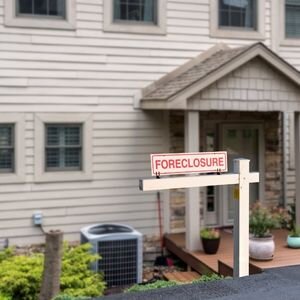
Getting this distinction wrong costs homeowners months of response time and, sometimes, their homes. In Texas, an HOA can take one of two paths, and your CC&Rs determine which one is available.
Associations with a right to foreclose may use the judicial foreclosure process, which involves filing a lawsuit against the property owner in a district or county court where the property is located. If the court rules in the HOA’s favor, it will order a sheriff or constable to seize and sell the property at public auction under Rule 309 of the Texas Rules of Civil Procedure. That’s the slow road, and it gives you more time and more chances to contest the action (I’ve seen owners successfully negotiate during this window).
Most HOA foreclosures are nonjudicial, meaning the property can be sold without going through a full court trial. Even in nonjudicial cases, the law requires an expedited court process known as a Rule 736 proceeding, where a judge must sign off before anything moves forward. This lets a judge review and authorize the foreclosure relatively quickly.
Nonjudicial foreclosure authority is not state-given. The association’s governing documents must expressly grant this right, described as a “power of sale,” under Section 209.0092. So if your CC&Rs don’t contain that specific language, the HOA is limited to the judicial route, which works in your favor.
The property owner and an occupant must receive notice that an expedited foreclosure application has been filed. The owner is entitled to file a response with the court contesting the application and requesting a hearing, leaving a legal door open before anything is finalized. Filing a response is one of the most straightforward ways to buy time and force a conversation.
HOA Foreclosure Laws Every Texas Homeowner Should Know
I used to think HOA laws in Texas were purely one-sided. They’re not. The legislature has added real teeth to homeowner protections over the years, and knowing them can change your outcome.
To protect homeowners from improper foreclosures by property owners’ associations, the Texas Legislature passed the Texas Residential Property Owners Protection Act. That law was sparked by a real case: in 2001, an 82-year-old widow named Wenonah Blevins had foreclosure proceedings initiated against her, and her house was sold at auction without her knowledge. That kind of thing drove the legislature to act, and the protections they created are substantial (and worth knowing before you close).
House Bill 886 added a two-notice requirement before an HOA can file a lien for unpaid assessments. House Bill 614 requires any HOA that levies fines to adopt a written fine policy and schedule. These laws are on the books and enforceable. If your HOA skipped either of those steps, that’s a procedural defense worth raising with an attorney.
Texas law doesn’t permit an HOA or COA to foreclose a lien that consists solely of fines. That’s a big one. Parking violations, landscaping complaints, and architectural review fees, on their own, cannot trigger a foreclosure. The lien must include unpaid assessments, not just penalty charges.
If an HOA forecloses, the former owner may redeem the home within 180 days from the date the HOA mails the homeowner a post-foreclosure notice of redemption rights. That six-month window to reclaim your property exists, though exercising it means paying everything owed plus the HOA’s costs (often more than sellers expect). If you’re in that window, talk to House Buying Heros immediately. They work with Texas homeowners in exactly these situations and can help you figure out whether selling makes more sense than redeeming.
How to Avoid HOA Foreclosure in Texas
“I don’t have the money to pay it off, so what’s even the point of calling?” That objection comes up constantly. The point is that options multiply when you act early and shrink to almost nothing when you don’t.
Many homeowners work out a payment plan with the association once they know they’re behind on dues. Texas law may require an HOA to offer certain payment plans under specified conditions, so communicating with the board or property manager at the earliest sign of difficulty is wise. Associations rarely want to foreclose. It costs them money, too, and it’s a headache for the board. Usually, they want the debt paid, not the property. If catching up on payments isn’t realistic, many homeowners choose to sell your home for cash to Texas cash buyers before the foreclosure process advances, allowing them to resolve the lien and protect any remaining equity.
Raj Mendoza reached out on a Thursday, seeking to split assets with his ex-wife after their divorce. The property in Katy had an HOA lien and a back bedroom full of tools that neither of them wanted. Neither Raj nor his ex could agree on who should handle the sale, and the lien was accruing attorney fees every month; the decision was delayed. We stepped in, made a fair cash offer, handled the lien payoff at closing, and got both parties out from under the mess without either needing to sell within a month, make repairs, or go through showings (divorce timelines don’t wait for consensus). That’s precisely the kind of situation where House Buying Heros shines.
Selling your home before foreclosure is always cleaner than losing it to one. A cash buyer can close fast enough to beat most foreclosure timelines, the lien gets paid off through escrow, and you walk away with whatever equity remains rather than walking away with nothing after an auction. I’ve seen homeowners in the Pflugerville and Cedar Park areas try to wait out an HOA dispute, only to run out of time. Don’t do that. If you’re wondering how House Buying Heros buys homes and what to expect from a fast, as-is sale, understanding the process can help you make an informed decision before the foreclosure timeline runs out.
Frequently Asked Questions
What Are the Most Common HOA Violations in Texas?
The most frequent violations homeowners face involve landscaping (unmowed grass and unapproved plantings), parking issues, architectural modifications without board approval, and exterior paint or fence choices that don’t match the approved palette. Most of these result in fines rather than legal action, but if those fines get rolled into unpaid assessments, they can eventually support a lien.
Can an HOA Enter Your Home Without Permission in Texas?
An HOA is not entitled to enter the interior of your home without your permission. Their authority generally covers exterior conditions and common areas, not anything inside your four walls. If a board member or management company claims otherwise, that exceeds what Texas law permits, and you should consult an attorney.
Can you tell an HOA to get off your property in Texas?
You can refuse HOA representatives access to the interior of your home and, in many cases, to your private backyard. That said, if your HOA’s CC&Rs grant them easement rights to certain areas of the lot for maintenance or inspection purposes, those terms were part of the contract when you purchased. Review your governing documents to know exactly where the line is.
Who Pays When an HOA Is Sued in Texas?
Generally, HOA legal costs and any resulting judgments are covered by the association’s operating funds, which are funded by member assessments. That means all homeowners in the community effectively share the financial burden of litigation, win or lose. Some associations carry directors’ and officers’ insurance to help cover these costs.
If you’re staring down an HOA lien or a pending foreclosure or just want to understand what your options are before things get worse, we’re here. No pressure, no obligation. Just a real conversation about what your home is worth and what a fast, clean sale could look like for your situation. House Buying Heros has helped Texas homeowners move through exactly these situations, and we’d be glad to help you, too. Reach out to House Buying Heros today to discuss your situation, ask questions, and explore your options before additional fees or foreclosure deadlines limit your choices.
Helpful Texas Blog Articles
- How Long a Seller Can Stay After Closing in Texas
- Documents Needed to Sell a House in Texas
- How to Sell a Condemned House in Texas
- How To Sell Your House Before Foreclosure In Texas
- How to Sell Your House During a Divorce in Texas
- Texas Inherited House Sale Guide
- Can You Sell A House Without A Deed In Texas
- Eviction Process in Texas
- How to Sell a Hoarder House in Texas
- Can an HOA Take Your House in Texas
- How To Sell a House With Foundation Issues in Texas
- How Much Does It Cost to Sell a House in Texas
- Relocating and Need to Sell House Fast in Texas