![Sell Your Home Fast Before Foreclosure in [market_city]](https://image-cdn.carrot.com/eyJidWNrZXQiOiJwcm9kdWN0aW9uLmNhcnJvdC11cGxvYWRzLm9uY2Fycm90LmNvbSIsImtleSI6InVwbG9hZHMvc2l0ZXMvNzgzNTEvMjAyNi8wNC9TZWxsLVlvdXItSG9tZS1GYXN0LUJlZm9yZS1Gb3JlY2xvc3VyZS5wbmciLCJlZGl0cyI6eyJyZXNpemUiOnsid2lkdGgiOjExNTJ9LCJ0b0Zvcm1hdCI6IndlYnAiLCJ3ZWJwIjp7InF1YWxpdHkiOjcwfX19)

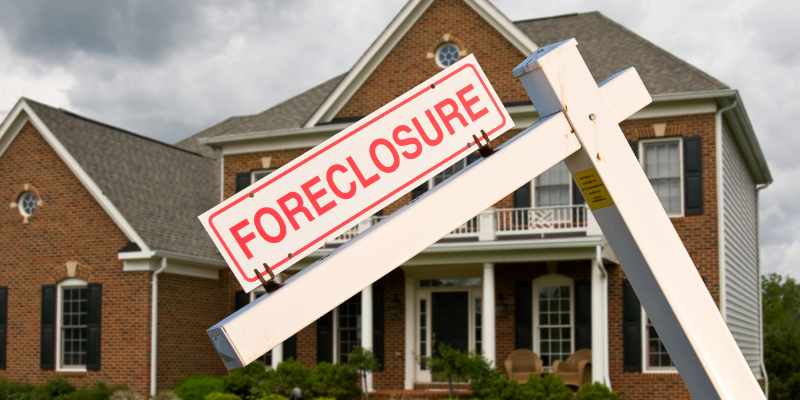
You’re three months behind on your mortgage. The letters keep coming. You’re wondering if you’ll lose the house your grandmother left you in Oak Cliff. This is a situation many Texas homeowners face. From the Heights in Houston to the King William District in San Antonio. I’ve seen this scenario play out hundreds of times.
Here’s what most folks don’t realize: you’ve got options. Real options. And in the Lone Star State, you need to move fast because Texas has the quickest average foreclosure timeline in the country, taking just 159 days.
This guide covers everything you need to know about everything you need to know about selling your house before foreclosure hits. This isn’t just theory. This is what I’ve learned from actually helping Texas homeowners navigate this exact situation.
Understanding Foreclosure Laws and Regulations in Texas
Texas operates differently from most states regarding foreclosure. We’re what’s called a “deed of trust” state, which means a nonjudicial foreclosure allows the lienholder to sell the property without having to file a civil lawsuit against the homeowner, provided they have a deed of trust with a “power of sale” clause.
What does this mean for you? It means lenders can move incredibly fast. The entire non-judicial foreclosure process can be completed in as little as forty-one days from the date of the first notice, making Texas one of the fastest foreclosure states in the nation.
I’ll be straight with you: most homeowners I meet have no idea how quickly this process moves in Texas. They think they have months to figure things out, as their cousin in New York might. Not here. In Texas, speed is everything.
The good news? This same speed can work in your favor when you’re selling. Texas buyers expect quick transactions. Cash buyers like House Buying Heros can often close in as little as seven days, which gives you a real chance to beat the foreclosure timeline.
Texas Foreclosure Timeline and Legal Process Overview
Let me break down exactly how the foreclosure process works in Texas, because understanding this timeline is crucial to your strategy.
First, federal regulations state that the foreclosure action cannot begin until the loan is over 120 days delinquent. This gives you about four months of missed payments before the formal process even starts.
Once it starts, here’s what happens:
- Step 1: Notice of Default Texas law requires the servicer to send you a notice of default and intent to accelerate by certified mail that provides at least 20 days to cure the default before a notice of sale can be given. This is your first official warning.
- Step 2: Notice of Sale After the 20-day “right to reinstate” period has expired and at least 21 days before the sale, the servicer must provide the borrower with a Notice of Sale.
- Step 3: Foreclosure Auction Foreclosure sales are held at the county courthouse on the first Tuesday of each month. This isn’t negotiable. Every county courthouse in Texas, from Harris to Tarrant to Bexar, follows this same schedule.
The math is simple: 20 days + 21 days = 41 days minimum from first notice to auction. But here’s what nobody mentions: by the time you get that first notice, you’re already four months behind on payments. The clock has been ticking for a while.
Texas Property Tax Foreclosure vs Mortgage Foreclosure Differences
Not all foreclosures are created equal in Texas. Property tax foreclosures work completely differently from mortgage foreclosures, and you need to understand which one you’re facing.
- Mortgage Foreclosure: This is what we’ve been talking about. Your mortgage lender starts the process after 120 days of missed payments. It’s non-judicial, fast, and follows the timeline I just outlined.
- Property Tax Foreclosure: This happens when you don’t pay your property taxes. In Texas, a lawsuit must be filed if a government entity is trying to foreclose on property taxes. This means it goes through the court system and takes much longer.
Importantly, if you’re behind on both your mortgage and property taxes, you could be facing two different foreclosure processes simultaneously. I’ve seen this happen to homeowners in East Austin and parts of Fort Worth, where property taxes have skyrocketed.
The good news is that property tax foreclosure takes much longer, sometimes over a year. But don’t let that fool you into thinking you can ignore it. Those tax liens stick to your property and will need to be addressed when you sell.
Pre-foreclosure Options for Texas Homeowners Facing Financial Hardship
Before we talk about selling, let’s cover your other options. I always tell homeowners to explore every avenue because selling isn’t right for everyone.
Loan Modification: Contact your servicer immediately. According to Jim Akin at Experian, “The goal of mortgage modification is to avoid foreclosure, sparing the lender the hassle and expense of seizing and reselling your house and allowing you to keep the home. A mortgage modification will lower monthly payments but will also likely mean greater total costs to you over the lifetime of the loan.”
- Forbearance: This temporarily reduces or pauses your payments. It’s not forgiveness, though. You’ll still owe the money later.
- Repayment Plan: Some lenders will let you catch up by adding a portion of the missed payments to your regular monthly payment.
- Refinancing: If you have equity and decent credit, you might be able to refinance into a lower payment.
Honestly, most agents won’t tell you this, but these options work best when you start early. If you’re already getting foreclosure notices, your options become much more limited.
Short Sale vs Foreclosure: Comparing Your Options in Texas
A short sale is when you sell your house for less than what you owe on the mortgage, and the lender agrees to accept the proceeds as payment in full. It’s an alternative to foreclosure that can save your credit score.
- Short Sale Pros: Less damage to your credit than foreclosure, you maintain some control over the process, there’s a potential to negotiate moving expenses, and it avoids deficiency judgments in many cases. Takes 3-6 months, the lender has to approve the sale, you still lose your house, and there may be tax implications
- Foreclosure Cons: Devastating to your credit score, deficiency judgment possible, you lose all control, eviction process if you don’t leave
Here’s what I’ve learned from working with hundreds of Texas homeowners: if you’re going to lose the house anyway, a short sale is almost always better than foreclosure. But in Texas’s fast-moving market, you need to act quickly.
Companies like House Buying Heroes specialize in helping homeowners navigate short sales and can often get lender approval faster than traditional buyers because they understand the process and have cash ready.
Deed in Lieu of Foreclosure as an Alternative Solution
A deed in lieu is when you voluntarily transfer ownership of your property to the lender instead of going through foreclosure. Think of it as handing over the keys and walking away.
When It Makes Sense: You have no equity in the property, you can’t qualify for a loan modification, the property needs major repairs you can’t afford, or you want to minimize credit damage
Requirements: Property must be your primary residence, there must be no other liens on the property, you must be current on property taxes and HOA fees
The challenge with a deed in lieu in Texas is that most lenders prefer foreclosure because it’s so fast here. They can get the property back in 41 days, versus negotiating a deed in lieu for months.
I’ve seen this work best for homeowners in rural Texas counties where the property might be hard to sell at auction. If you’re in a place like Presidio County or somewhere way out in East Texas, a deed in lieu might be worth exploring.
Bankruptcy Protection and Its Impact on Texas Foreclosure Sales
Filing for bankruptcy will delay foreclosure but will not wipe out your lien or allow you to stay in the home without making payments.
Chapter 7 Bankruptcy: This stops foreclosure temporarily through the “automatic stay,” but if you can’t make payments, you’ll still lose the house. It typically delays foreclosure by 3-4 months.
Chapter 13 Bankruptcy: Chapter 13 is a reorganization in which certain debts are repaid over time, and the home can be saved. This is your best shot at keeping the house if you have a steady income.
Here’s the reality: bankruptcy is expensive and complicated. You’ll need an attorney, and it goes on your credit report for 7-10 years. For most homeowners I work with, selling the house makes more financial sense than bankruptcy.
But if you’re dealing with other debts beyond your mortgage, bankruptcy might be worth considering. Just don’t use it as a stall tactic if you know you can’t afford the house long-term.
How to Sell Your House Before Foreclosure Proceedings Begin
This is where things get interesting. Texas saw 28,946 foreclosure starts in 2026, but thousands of homeowners avoided foreclosure by selling first.
The Window of Opportunity: You have the most options before you receive that first Notice of Default. Once the foreclosure process officially starts, you’re working against that 41-day clock.
Speed is Everything. In Texas’s current market, houses stayed on the market an average of seven days longer in Q3 2025 than during the same quarter last year. That’s still relatively fast, but when you’re facing foreclosure, every day counts.
Your Three Paths:
- List with a real estate agent (60-90 days typical)
- Sell to a cash buyer (7-14 days typical)
- Sell to an investor who specializes in pre-foreclosure (7-21 days typical)
I’ve helped homeowners in situations where they got the foreclosure notice on a Tuesday and we closed on their house the following Monday. It’s possible, but you need to know who to call.
Legal Requirements for Selling Property in Pre-foreclosure Texas
Selling during pre-foreclosure isn’t complicated legally, but there are some requirements you need to know about.
- Clear Title Requirements: You need to be able to deliver a clear title to the buyer. This means: All property taxes must be current, no other liens can be superior to the mortgage, and you must be the legal owner of record
- Lender Notification: While you don’t need lender permission to sell before foreclosure starts, it’s smart to notify them. Some lenders will halt the foreclosure process once they know a sale is pending.
- Texas Homestead Protections: Texas has strong homestead protections, but they don’t prevent foreclosure. However, they do protect some of your equity from other creditors, which can be important if you’re dealing with multiple debts.
- Disclosure Requirements: You must disclose the foreclosure proceedings to potential buyers. This is both legally required and ethically necessary.
Documentation Needed to Sell a House During the Foreclosure Process
Getting your paperwork together quickly is crucial when you’re racing against foreclosure. Here’s what you’ll need:
- Essential Documents: Original deed or title policy, current mortgage statements, property tax records, homeowners’ insurance policy, HOA documents (if applicable), any foreclosure notices you’ve received
- For Cash Sales: Cash buyers typically need less documentation, but you’ll still need to prove ownership and provide basic property information.
- For Traditional Sales: If you’re listing with an agent, you’ll need all the standard seller disclosures plus documentation of the foreclosure proceedings.
- Pro tip: Start gathering these documents as soon as you think you might sell. I’ve seen deals fall apart because homeowners couldn’t find their deed or didn’t have current tax information.
Negotiating with Mortgage Lenders for Sale Approval
Here’s something most homeowners don’t realize: you can often negotiate with your lender even after foreclosure proceedings begin.
What Lenders Want: To recover as much money as possible, to avoid the costs of foreclosure and property management, to get the property off their books quickly
Your Negotiating Position: A confirmed buyer with proof of funds, a realistic timeline for closing, and professional representation (agent or attorney)
I’ve seen lenders agree to halt foreclosure proceedings when presented with a solid purchase contract. They’d rather get 90% of what they’re owed through a sale than 70% through a foreclosure auction.
When you call your lender, say, “I have a buyer for the property, and we can close within [X] days.” “Will you halt the foreclosure proceedings to allow this sale to complete?”
Companies like House Buying Heros have relationships with major lenders and can often facilitate these conversations more effectively than individual homeowners.
Home Equity and Underwater Mortgages in Foreclosure Sales

The overall statewide median price of $340,000 was unchanged from the same quarter last year, which means many Texas homeowners still have equity in their properties.
If You Have Equity: This is the best-case scenario. You can sell the house, pay off the mortgage, and walk away with cash. Even if you’re behind on payments, having equity gives you options.
If You’re Underwater: This is where it gets tricky. If you owe more than the house is worth, you’ll need to do either of the following: Bring cash to closing to cover the difference, negotiate a short sale with the lender, or let the foreclosure happen
Texas Market Reality: In March 2026, home prices in Texas were down 1.7% compared to last year, selling for a median price of $342,000. While prices have stabilized, some homeowners who bought at the peak in 2022 might still be underwater.
The good news is that Texas’s strong job market and continued population growth have kept most areas from seeing dramatic price drops. Cities like Austin, Dallas, Houston, and San Antonio have maintained relatively stable values.
Pricing Strategies for Quick Home Sales During a Financial Crisis
When you’re facing foreclosure, pricing strategy becomes critical. You can’t afford to chase the market or hold out for top dollar.
The 90% Rule: Price your house at 90% of the current market value for a quick sale. Yes, you’re leaving money on the table, but speed is more valuable than maximizing profit when foreclosure is looming.
Know Your Competition: In Texas’s current market, months of inventory were 4.8 statewide, which is an increase from 3.6 months during the same period last year. This means buyers have more choices, so your house needs to stand out.
Cash Buyer Pricing: Cash buyers typically offer 70-85% of market value, but they can close in days instead of weeks. When you factor in agent commissions, repairs, and holding costs, the net difference might be smaller than you think.
Market-Specific Considerations:
- Houston market: Focus on the energy corridor and the proximity to the medical center.
- Dallas market: Emphasize school districts and commute access.
- Austin market: Highlight tech industry access and lifestyle amenities.
- San Antonio market: Military connections and downtown revitalization
Real Estate Agent vs Direct Sale When Facing Foreclosure
This is one of the biggest decisions you’ll make, and timing is everything.
Using a Real Estate Agent: Potentially higher sale price, professional marketing and negotiation, access to MLS and broader buyer pool, takes 60-90 days typically, costs 5-6% in commissions
Direct Sale to Cash Buyer: Much faster closing (7-21 days), no repairs needed, no showing disruptions, lower sale price, no commissions
The Math: Let’s say your house is worth $300,000
Agent sale: $300,000 minus $18,000 (6% commission) minus $5,000 (repairs) = $277,000 net.
Cash buyer: $255,000 (85% of value) = $255,000 net
The difference is $22,000, but the cash buyer closes in two weeks versus three months. When foreclosure is 41 days away, speed trumps everything.
Working with Real Estate Investors During Pre-foreclosure
Not all investors are created equal. I’ve been in this business long enough to see both the good and the bad.
Red Flags to Avoid: Investors who pressure you to sign immediately, anyone who asks for upfront fees, companies that won’t provide references, investors who seem to be taking advantage of your situation
What Good Investors Offer: Transparent communication about the process, fair market offers based on current conditions, quick closing capability, references from past clients, and local market knowledge
Questions to Ask: How many houses have you bought in my area? Can you provide references from recent sellers? What’s your typical timeline from offer to closing? How do you determine your offer price? Will you handle all closing costs?
We Buy Houses in Garland has been operating in Texas for years and can provide references from homeowners in similar situations. They understand the foreclosure timeline and can work within it.
Finding Cash Buyers for Houses in Foreclosure Situations
Texas had 2,868 foreclosure filings in December 2025, which means there’s significant investor activity in the state. Cash buyers are actively looking for these opportunities.
Where to Find Cash Buyers: Local real estate investment groups, online platforms, direct mail from investors (yes, those “We Buy Houses” postcards), and companies that specialize in distressed properties, including cash home buyers in Texas and nearby cities.
Vetting Cash Buyers: Ask for proof of funds, check Better Business Bureau ratings, look up their business license, and ask for recent closing statements (with personal info redacted).
Texas-Specific Networks: Houston Real Estate Investors Association, Dallas Investors Club, Austin Real Estate Investors, and San Antonio Real Estate Investment Club.
These groups meet monthly and are full of active cash buyers who understand foreclosure timelines.
Credit Score Impact of Foreclosure vs Strategic Home Sale
Let’s talk about the long-term consequences of your decision.
Foreclosure Impact: Credit score drops 200-300 points immediately, stays on credit report for 7 years, makes getting another mortgage nearly impossible for 3-7 years, can affect employment in some industries, may impact insurance rates
Strategic Sale Impact: Minimal credit score impact if you stay current until closing. Shows responsibility to future lenders. Preserves the ability to buy again sooner and maintains a professional reputation
The Texas Advantage: Texas is a non-recourse state for purchase money mortgages, meaning if the foreclosure sale does not cover the full amount owed, the lender can seek a deficiency judgment against the borrower for the difference. But if you sell before foreclosure, you avoid this risk entirely.
Recovery Timeline:
Foreclosure: 3-7 years before qualifying for another mortgage.
Strategic sale: 0-2 years, depending on circumstances.
Tax Implications of Selling a House in Foreclosure

The IRS considers forgiven debt as income, which can create unexpected tax bills.
Mortgage Forgiveness Debt Relief Act: This act provides some protection for homeowners, but it has limitations and expiration dates. Consult a tax professional about your specific situation.
Capital Gains Considerations: If you’ve lived in the house for 2 of the past 5 years as your primary residence, you can exclude up to $250,000 (single) or $500,000 (married) in capital gains.
Texas State Taxes: Good news: Texas has no state income tax, so you only need to worry about federal implications.
1099-C Forms: If your lender forgives more than $600 in debt, they’ll send you a 1099-C form. This becomes taxable income unless you qualify for an exception.
Post-foreclosure Sale Recovery and Future Homeownership Planning
Whether you sell before foreclosure or go through with it, you need a plan for what comes next.
- Immediate Steps: Find temporary housing, preserve remaining credit accounts, start rebuilding your emergency fund, and address any remaining debts.
- Medium-Term Goals (1-3 years): Rebuild credit score through responsible use, save for a future down payment, stabilize income and employment, and consider credit counseling if needed.
- Long-Term Planning (3-7 years): Work toward homeownership again, build a substantial emergency fund, consider different areas or property types, and learn from the experience.
Texas-Specific Opportunities: Texas’s growing job market and relatively affordable housing (compared to California or New York) make it easier to recover financially. Cities like Fort Worth, San Antonio, and Houston continue to offer good employment opportunities.
The key is not to rush back into homeownership until you’re truly ready. I’ve seen too many people make the same mistakes twice.
Frequently Asked Questions
Can You Sell a House When It’s in Foreclosure?
Yes, you can sell your house at any point before the foreclosure auction takes place. In Texas, you have until the moment the auctioneer’s gavel falls at the county courthouse on the first Tuesday of the month. However, the earlier you start the process, the more options you’ll have and the better price you’re likely to receive.
How Does a Foreclosure Sale Work in Texas?
Foreclosure sales are held at the county courthouse on the first Tuesday of each month. Anyone may offer. The sale happens between 10 a.m. and 4 p.m., and the property goes to the highest bidder who can pay cash. The lender usually bids the amount owed on the mortgage, and if no one bids higher, the lender gets the property back.
What Is the 120 Day Foreclosure Rule?
Under federal law, the servicer usually can’t officially begin a foreclosure until you’re more than 120 days past due on payments. This 120-day preforeclosure period provides most homeowners plenty of time to apply for loss mitigation with their loan servicer. This rule gives you about four months to explore alternatives before the formal foreclosure process begins.
How Long Is a Foreclosure Process in Texas?
Texas has the quickest average foreclosure timeline in the country, taking just 159 days from the first missed payment to the auction. However, the entire non-judicial foreclosure process can be completed in as little as forty-one days from the date of the first notice. The actual timeline depends on when the lender starts the process and how quickly they move through the required steps.
Look, I know this is overwhelming. You’re dealing with one of the most stressful situations a homeowner can face. But here’s what I want you to remember: you have options, and you have people who can help.
I’ve walked hundreds of Texas homeowners through this exact situation. Some kept their houses through loan modifications. Others sold and moved on to better situations. A few went through foreclosure and recovered just fine. There’s no single right answer.
What matters is that you act quickly and make informed decisions. Don’t let fear or embarrassment keep you from exploring your options.
If you want to talk through your specific situation, companies that offer free consultations with no obligation can help. Don’t hesitate to reach out to us and explore what’s possible. They understand Texas foreclosure law and can often provide solutions you haven’t considered.
You’re not alone in this. Texas homeowners are resilient people, and you’ll get through this too. The key is taking that first step.
Helpful Texas Blog Articles
- How Long a Seller Can Stay After Closing in Texas
- Documents Needed to Sell a House in Texas
- How to Sell a Condemned House in Texas
- How To Sell Your House Before Foreclosure In Texas
- How to Sell Your House During a Divorce in Texas
- Texas Inherited House Sale Guide
- Can You Sell A House Without A Deed In Texas
- Eviction Process in Texas
- How to Sell a Hoarder House in Texas
- Can an HOA Take Your House in Texas
- How To Sell a House With Foundation Issues in Texas
- How Much Does It Cost to Sell a House in Texas
- Relocating and Need to Sell House Fast in Texas