![Sell House With Flood Damage [market_city]](https://image-cdn.carrot.com/eyJidWNrZXQiOiJwcm9kdWN0aW9uLmNhcnJvdC11cGxvYWRzLm9uY2Fycm90LmNvbSIsImtleSI6InVwbG9hZHMvc2l0ZXMvNzgzNTEvMjAyNi8wOS9TZWxsLUhvdXNlLVdpdGgtRmxvb2QtRGFtYWdlLnBuZyIsImVkaXRzIjp7InJlc2l6ZSI6eyJ3aWR0aCI6MTE1Mn0sInRvRm9ybWF0Ijoid2VicCIsIndlYnAiOnsicXVhbGl0eSI6NzB9fX0=)

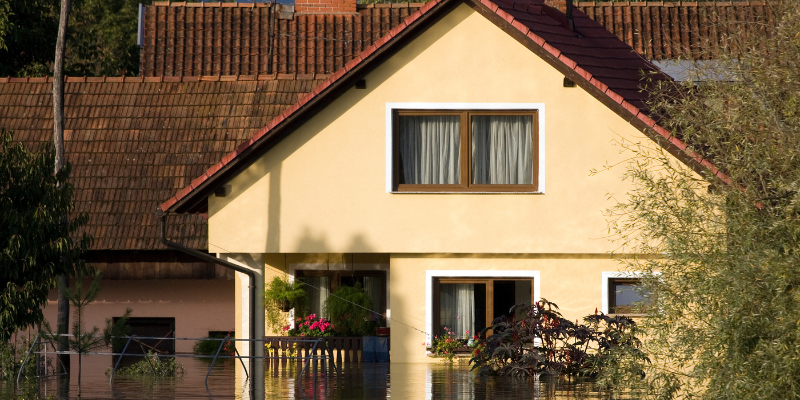
A woman from The Woodlands called me on a Thursday afternoon. Her mother had just moved into assisted living in Oklahoma, and she was handling everything from out of state. The house was a ranch-style place that took two feet of water in a bayou overflow from the spring before. A ruined chest freezer and a riding mower still sat in the garage. She hadn’t been back since the water came in. She had no idea whether mold was growing behind the walls, and no idea what the house was worth in that shape. Repairs she couldn’t afford sat on one side, and walking away sat on the other.
Paralysis, not panic, is what I hear most from Texas sellers after a flood. It builds over months. If you’re in a similar spot, let’s work through it. Knowing how to sell a flood-damaged house in Texas starts with knowing what you’re up against.
Your Situation Is More Common Than You Think
Texas floods. That’s not a knock on the state, just geography. From the bayous of Houston’s Meyerland to the Guadalupe River through Kerrville and Comfort, from Beaumont to the Hill Country, Gulf moisture meets flash-flood ground. Cotality looked at the July 4th weekend flooding in 2025 and counted more than 38,600 homes inside the flood footprint, spread across nine Central Texas counties. Not all of them took damage, because the footprint counted any property with an inch of water. The same firm put residential building damage at roughly $1.1 billion. Tom Green, Travis, Kerr, Williamson, and Burnet counties took the worst of it.
Flooding reshapes this market again and again, which makes it a normal risk here rather than a fringe event. Selling afterward doesn’t follow the standard real estate playbook, and forcing it into that mold costs sellers time and money. Get the pricing wrong, or the disclosure, or the buyer pool, and you can end up underwater in more ways than one.
How Much Does Flood Damage Devalue a House in Texas?
Flood damage costs you twice. It hits once in the repair bill, then again in the price you’ll accept, because even a beautifully restored home carries its history. That stigma follows the deed rather than the walls.

Researchers who tracked repeat sales in Harris County from 2013 through 2022 put numbers behind it. Homes inside the 100-year Special Flood Hazard Area that flooded during Harvey carried an extra price penalty of about 10.8 percent. For homes with the highest modeled flood probability, the additional discount ran as high as 37 percent. The median home price in Texas for 2025 was $335,000 according to Texas REALTORS, down 1.2 percent from the year before. An 11 percent penalty on a house at that price is roughly $37,000, and you haven’t spent a dollar on repairs yet. Budget for the discount before you budget for repairs, because most sellers work it backward.
Insurance piles on top. Texas owners pay around $4,915 a year for home insurance. The national average sits near $2,490, per NerdWallet’s 2026 rate study at $400,000 of dwelling coverage. Flood isn’t part of that number. Standard policies exclude it, so a buyer has to add NFIP or private flood coverage. Their monthly cost of owning your house runs higher from day one, and their offer will say so. Skip that math, and the concession requests will blindside you.
If the repair bill and the price penalty both feel like yours to eat, House Buying Heros can help by buying your Texas house exactly as it sits.
What Flooding Does to a Home’s Value in Texas
Redfin put Kerr County’s median sale price near $390,000 in mid-2025, up a tenth of a percent from the year before. Steady county numbers hide what happens at one address. A house that flooded and got disclosed lands in its own class. The one next door looks the same from the curb.
Water moves through a house in patterns appraisers know cold. It soaks the subfloor, wicks up drywall panels, and feeds mold within two days. Flooring buckles and insulation turns useless. Wiring that got wet carries a risk nobody can see. Weeks later, the structural trouble shows up as wood rots and foundation parts shift in soaked soil, which is common across the Coastal Prairie and Gulf Coast. An appraiser ticks through every one of those systems. Each failure comes off the comp-adjusted value. Soaked soil that moves a slab is its own repair track, and our guide on how to sell a house with foundation issues in Texas covers what buyers ask for once that shows up.
Financed buyers face scrutiny that cash buyers never see. Homes in FEMA Special Flood Hazard Areas need flood insurance when the loan is backed by the government. That narrows your pool to cash buyers and the few who planned for the coverage. Along Brays Bayou in southwest Houston, that one rule shapes every talk about price.
An appraiser will price every soaked system in the house. You can contact House Buying Heros and skip that line item by selling as-is.
How to Minimize Damage Immediately After Your Texas House Floods
Airflow is the step owners put off too long. Get a dehumidifier and industrial fans into the structure within the first 24 to 48 hours. The mold clock starts the moment standing water touches porous material, and drying beats almost anything else you’ll do. By the time your claim is filed, remediation can already be the bigger line item.
Document everything before you move a thing, then photograph every room from several angles. Pull up the floor registers, shoot the moisture underneath, and mark the waterline on every wall. Your insurance company wants that evidence, and so will a buyer’s inspector. Sellers who skip it can’t prove later what was flood damage and what was ordinary wear. That fight tends to land at the worst moment.
Soaked drywall and insulation need to come out fast, even before the full cleanup plan is set. Wet drywall is a mold incubator, and pulling it early shrinks the bill. Call your insurance company to report the loss. Then ask flat out whether your policy covers living expenses if the house becomes unlivable during the work. Plenty of owners find out that coverage exists while standing in a gutted house with nowhere to sleep.
Does Mold Clearance Increase the Value of a Flooded Home?
A Bellaire family came to me with a house that flooded and then sat untouched for months. By the time they called, the remediation estimate had tripled. The delay alone cost them more than the original cleanup would have. A clearance report let us price the house alongside other cleaned-up homes on the street, with no distressed discount.
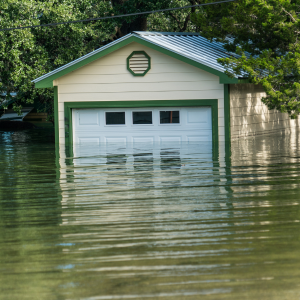
Mid-range mold jobs in Houston run about $1,500 to $4,500. Whole-home post-flood remediation reaches $8,000 to $25,000 or more, depending on how far the mold has worked into structural materials, per Restore Advisor’s 2026 Houston cost guide. That’s real money, and it doesn’t always come back. What it buys you is a buyer who stays.
Clearance testing matters for one reason. Texas Department of Licensing and Regulation rules bar one licensee from doing both the mold assessment and the cleanup on the same job. The certificate comes from a second set of eyes. Your remediation contractor has to hand you a Certificate of Mold Damage Remediation within 10 days of the project stop date, so hang onto it. Sell within five years, and state law requires you to hand the buyer copies of it. That same certificate blocks an insurer from underwriting against the old mold damage. Paperwork like that shifts the talk from “how bad is it” to “here’s proof it’s handled.” Buyers who need a loan can suddenly look at the house. Whether the math works comes down to your cleanup cost against local comps. In Bellaire, West University Place, or Memorial-area zip codes, where per-square-foot values run high, mold clearance usually earns back more than it costs.
If the estimate keeps climbing while you decide, Texas cash buyers can stop the clock on it.
Your Legal Obligation to Disclose Flood Damage When Selling in Texas
For years, I assumed disclosure covered only active, visible damage. Wrong. Texas law reaches further than most sellers expect, and it got sharper after Hurricane Harvey.
Texas Property Code Section 5.008 covers it. Selling a previously occupied single-family home means you owe the buyer a written Seller’s Disclosure Notice on or before the effective date of the contract, not at closing. Senate Bill 339 from the 86th Texas Legislature added the flood questions back in 2019. You have to say whether the home sits wholly or partly in a 100-year or 500-year floodplain, a floodway, a flood pool, or a reservoir. Ever filed a flood damage claim with any insurer, including the NFIP? That goes on the form, and so does any FEMA or SBA assistance you got for flood damage. Prior flooding and water penetration from a natural flood event belong there, too, even when the repairs were perfect.
Hiding any of that opens you up under the Texas Deceptive Trade Practices Act. A buyer who discovers undisclosed flood history after closing may have grounds to come after you, and sellers have lost those cases. Disclose fully, keep copies, and move forward clean. A real estate attorney can tell you how the form applies to anything you’re unsure about. Knowing the rest of the file helps too, so run through the documents needed to sell a house in Texas before you sit down with a buyer.
What Are the Biggest Buyer Concerns About Flood-damaged Homes in Texas?
Sellers push back here sometimes, asking why one flood matters this much when everybody in Texas knows the area floods. The flooding itself isn’t the worry. What might still be sitting inside the walls is.
Hidden mold tops the list, whether it’s behind drywall, under flooring, or inside the HVAC system, where a standard check won’t catch it. Next comes structure: shifted slabs, warped framing, and insulation that no longer does its job. Then there’s ongoing risk, which is really a question about insurance rates. Buyers can check flood zone status on their own through the FEMA Flood Map Service Center. A financed buyer has to fit that premium into a monthly payment, and it comes straight out of what they can offer you.
In Galveston County and along the San Jacinto River corridor, I’ve watched buyers walk away from good properties because the seller couldn’t produce remediation paperwork. The house was fine, but the file was empty. Buyers want evidence rather than assurances. A clearance report, a flood claim history, and a disclosure form with every question answered will hold a sale together more often than not.
We buy Dallas homes and houses in nearby Texas cities with the flood history priced in, so the risk stops being yours.
Should You Repair the Flood Damage or Sell Your House As-is?
Repairing before selling almost never pencils out when flood damage is extensive.

That isn’t a popular thing to say, but the math is stubborn. You’d spend cash on remediation, drywall, flooring, and electrical work, then still sell at a discount because the history follows the house. Buyers willing to pay top dollar later are the same ones whose lender wants an inspection, an appraisal, and a paper trail. Add 60 to 90 days for that. Texas REALTORS put the median days on market at 67 days in 2025, a week longer than the year before, and that’s for clean, move-in-ready homes. A flood-damaged property chasing a financed buyer can sit for four to six months.
Limited damage changes the answer. One room of water intrusion plus insurance proceeds covering most of the repair, and remediation with fresh drywall panels can absolutely pay off. Water across the whole first floor is a different animal. Add mold behind the walls, and a claim your insurance company has already processed, and an as-is sale to a cash buyer usually moves faster. It also leaves more in your pocket once carrying costs are counted. Those monthly costs add up quicker than sellers expect.
House Buying Heros works with homeowners in exactly this spot. We buy flood-damaged homes as-is, no repairs, on a timeline that fits the seller rather than an agent’s calendar.
Who Buys Flood-damaged Houses in Texas?
Misread your buyer pool and you’ll either sit for months or leave real money on the table.
Cash buyers and house-buying firms are the most common. They close without a lender, and repair costs are baked into how they price. Their offers reflect the house as it sits, not what it’s worth fixed up. Speed and certainty often close that gap once you subtract what the repairs would have cost you. Fix-and-flip investors buy deeper below market and take on the cleanup themselves. Then comes a group that surprises sellers. End users go hunting for flood-affected homes on streets they otherwise couldn’t afford, planning to fix them up and build equity. Most pay cash or line up repair money up front, so no bank has to weigh a loan against a damaged house.
Retail buyers with normal home loans are mostly out of reach for badly damaged homes. Lenders won’t approve a loan where there’s open mold, damage to the frame, or missing mechanical systems. That’s their lending policy, not a judgment call. List on the MLS, hoping a traditional buyer appears, and you’ll get investor offers anyway, six to eight weeks later. The same holds in the Dallas suburbs, where owners who need to sell a house fast in Plano end up talking to those same cash buyers.
How to Sell a Flood-damaged House in Texas
The process is shorter than most sellers picture, and it starts with paper.
Pull together your flood insurance claim file, any remediation reports, receipts for the work, and the FEMA flood zone designation for the address. Buyers and their agents will ask for all of it. A flooded house sold with no paper trail leaves you exposed and the buyer wary. That’s how a sale dies at the title stage.
From there, the path splits. Sell through an agent, and you price at a discount that reflects the flood history and any open damage, not a “we’ll see what the market says” number. Overpriced flood homes sit, and sitting flood homes grow more mold. Going the cash route, collect two or three offers, so you have something to compare. Any reputable buyer puts an offer in writing with no obligation attached.
A couple in Pflugerville got a job transfer with five weeks to relocate. Their home had flooded the year before, and the rear garage and part of the utility room had taken on water. Three boogie boards and a canoe were still stacked in the garage from the cleanup, and nobody had touched the utility room drywall. We closed in under two weeks, as-is, and they made their start date. That’s what the cash route looks like when the fit is right.
House Buying Heros works with sellers across Texas in that kind of time crunch. We’ll walk you through what a fair offer looks like for your house as it stands.
Frequently Asked Questions
How Hard Is It to Sell a House in a Flood Zone in Texas?
Harder than a standard sale, mostly because the buyer pool shrinks. A home loan backed by the government in a FEMA Special Flood Hazard Area calls for flood insurance, which adds cost and puts off some buyers. Cash buyers and investors stay active in these markets, though. Priced honestly for shape and flood history, these houses sell, and often quicker than sellers expect.
Do You Have to Disclose Flooding When Selling a House in Texas?
Yes, and the form is specific. Texas Property Code Section 5.008 requires sellers of previously occupied single-family homes to complete the Seller’s Disclosure Notice. The form asks whether the property sits in a floodplain and whether you’ve filed a flood damage insurance claim. It also asks whether you’ve received FEMA or SBA assistance for flood damage. Fudging those answers creates legal risk that follows you well past closing.
Do Realtors Have to Disclose Water Damage in Texas?
Agents carry the same duty once they know about a material defect. An agent who stays quiet about a seller’s incomplete disclosure takes on legal risk of their own. In practice, a good Texas agent will push you to fill the form out accurately, because their license is on the line next to your money.
What Is the Hardest Month to Sell a House in Texas?
January is the slowest stretch, with Texas homes averaging roughly 74 days on market that month, about two weeks longer than the annual average. A flood-damaged property doesn’t follow the seasons the way a clean listing does, though. Investors and cash buyers work all year, so if you need speed, pricing for condition matters far more than the calendar.
Want to talk through how to sell a flood-damaged house in Texas without the guesswork? We’re here whenever you’re ready. No pressure and no pushing, just a straight answer about what your property is worth as it sits and which path fits your situation. Reach out to the team at House Buying Heros when the time feels right.