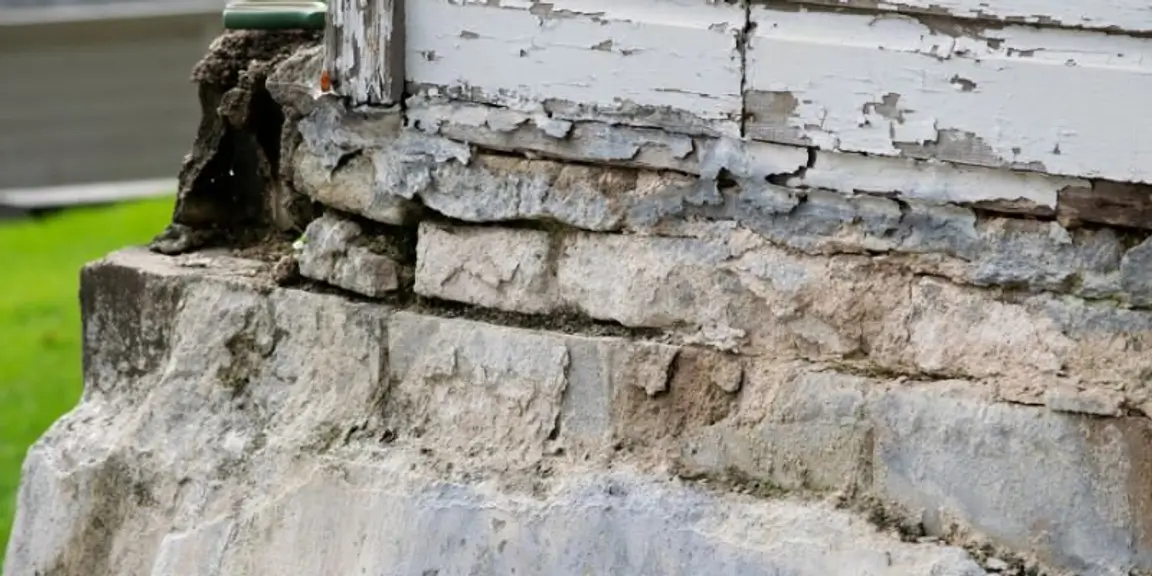

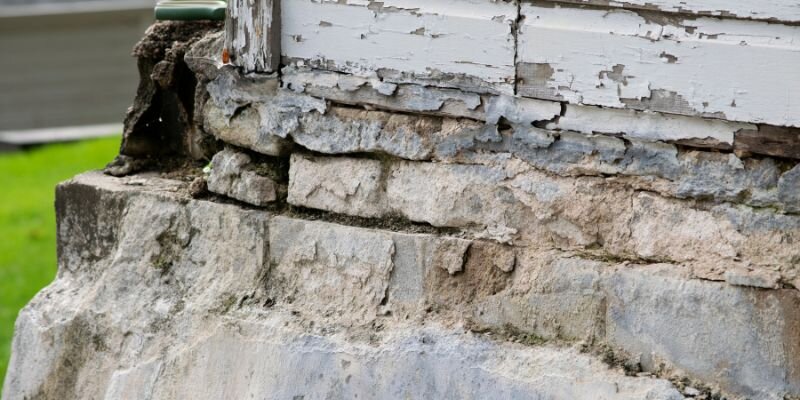
Foundation issues like a cracked slab don’t always mean a dead sale. But getting that wrong, misreading what you’ve got, pricing it blind, or skipping the disclosure form can cost you far more than any repair ever would. Sellers who don’t know what they’re working with walk into negotiations empty-handed, and in a Texas market where buyers already have options, that’s a losing position before the first showing.
I’ve bought houses all over this state, from older pier-and-beam cottages in Dallas’s M Streets to slabs in Mesquite subdivisions built in the nineties. Everything changes depending on what you’ve got, where you are, and what you do next. This guide will walk you through everything.
What Counts as a Structural Issue When Selling a Home in Texas
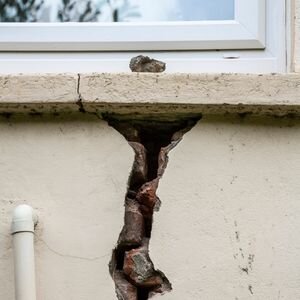
For years, I lumped every crack I saw into the same mental bucket. A hairline crack in the garage slab and a shearing perimeter wall felt like variations of the same problem, even though one costs almost nothing to fix and the other can kill a sale. They’re not, and treating them that way wastes money and time.
Structural issues, in the sense that buyers and lenders actually care about, involve movement that has compromised or could compromise the home’s load-bearing integrity. Stair-step cracks in brick veneer, doors that won’t latch, windows that jam in their frames, or floors that slope toward the center of the house are the telltale signs. Texas’s expansive clay soils, combined with repeated drought and flood cycles and a high concentration of slab-on-grade homes, make foundation movement far more routine here than in most states. This is not a reason to panic; it’s a reason to understand exactly what category your issue falls into.
Cosmetic cracking is different. Settlement cracks in drywall along door frames, small surface fractures in a concrete patio, or minor mortar gaps in brick are common across nearly every Texas home older than ten years and don’t automatically indicate structural failure. Buyers who’ve lived in Texas know the difference. The ones who haven’t lived here sometimes need it explained calmly.
A band of highly plastic clay runs through the Dallas-Fort Worth Metroplex and south through Waco, Austin, and Houston. Clay swells when it rains and contracts when it dries, repeating the cycle with every drought and flood swing, which is what lifts, drops, and cracks foundations across the state. So if your house is in Grand Prairie, Frisco, or Irving, the odds are reasonable that some movement has occurred. How much is the part you won’t know until an engineer looks at it?
Get a structural engineer’s assessment, not just a contractor’s free inspection. The Texas Board of Professional Engineers and Land Surveyors affirms that only licensed professional engineers have the technical background to evaluate structural performance, and foundation repair companies lack the expertise in soil mechanics and structural design to make these determinations. A contractor who gives you a free assessment and immediately recommends $20,000 in piers has a conflict of interest you should take seriously.
How Serious Are the Foundation Problems in Your Texas Home
One house in Garland had doors that stuck and a crack running along the back bedroom wall. The sellers assumed they were looking at a $30,000 repair, which had them ready to drop the price before they’d even called anyone. An independent engineer put the actual movement at under half an inch and quoted the fix at a fraction of that.
Severity is measured by how much the foundation has moved and whether it continues to move. Engineers use a tool called a zip level or a laser level to map elevation across the floor plane. Active movement, meaning the foundation is still shifting, is a bigger concern than settled historical movement that has long since stabilized. A home that moved two inches fifteen years ago and hasn’t budged since is a different conversation than one that’s dropped another inch in the past two years.
Minor problems include hairline cracks and isolated corner settling. Major structural work involving multiple piers or whole-house leveling commonly runs $15,000 or more, and a full-lift replacement on a larger home can push well beyond that. Knowing which category your home falls into before listing isn’t optional. It determines your price, your buyer pool, and your legal obligations (disclosure laws vary by state).
During severe drought years, soil pulls back from foundations more aggressively, which is one reason repair costs in Texas climb after extended dry periods. If your house went through the brutal drought years without any maintenance watering around the perimeter (soaker hoses do this job cheaply), the odds of movement are higher.
The Tran family called me after two listing contracts expired with zero offers, both times in Balch Springs. Their agent had listed the home at market value without disclosing the foundation cracks or getting an engineering report. Buyers sent inspectors who flagged the issues, and the sale fell apart. Last Tuesday, I met with them, and we closed on the property as-is within three weeks, priced correctly from the start, with a real engineer’s report in hand. The report didn’t hurt the sale. That’s what made it possible.
Texas Disclosure Laws and What You Must Tell Buyers About Foundation Issues
A woman in DeSoto sold her home without mentioning the cracked slab in the garage or the sticking doors. Six months later, she got a letter from the buyer’s attorney. Texas disclosure law is not a place to take shortcuts, and I’ve watched sellers learn that lesson the hard way.
Texas requires sellers to complete the Seller’s Disclosure Notice, a mandatory form governed by the Texas Real Estate Commission. Section 4 of that form asks directly about structural defects, including foundation problems. Failing to disclose known issues exposes you to lawsuits for fraud, misrepresentation, and deceptive trade practices (foundation issues are specifically named). Texas courts have repeatedly sided with buyers in these cases.
Do you need to disclose issues you didn’t know about? No. The legal standard is “known defects.” But if you’ve had a contractor out, received a repair quote, or had an engineer assess the property, that knowledge is documented and discoverable. Claiming you didn’t know becomes very hard to defend.
“As-is” sales do not eliminate your disclosure obligation. Selling as-is means you’re not agreeing to make repairs, but it doesn’t mean the buyer waives the right to know what’s wrong. Every major real estate platform and Texas attorney will tell you the same thing: disclose everything you know, in writing, before the contract.
Cash buyers and investors, like the team at House Buying Heros, typically understand exactly what they are purchasing and factor in the property’s condition when making an offer. It’s a cleaner transaction because there’s no gap between what’s disclosed and what’s expected.
How Foundation Issues Affect Your Home’s Value in Texas
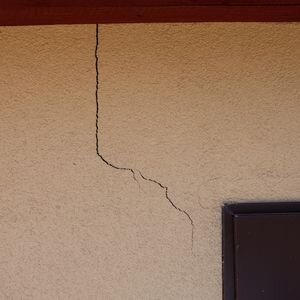
Foundation problems are the single most effective way to knock buyers out of their financing and kill a sale at the finish line.
Retail buyers making offers with conventional loans run into trouble the moment an appraiser or lender flags active structural issues. The home’s value drops not just because the repair is expensive but because the perceived risk increases. Buyers wonder what else has been damaged: plumbing under the slab, drywall throughout the house, or electrical systems shifted out of alignment. Uncertainty is what drives the discount beyond the repair cost, and in my experience, it’s rarely small.
In May 2026, the Texas statewide median home price sat at $340,000. A house in decent condition at that price point has a clear advantage over a structurally troubled home at the same price. Texas housing inventory stood at a 5.5-month supply heading into late 2025, a jump from 4.7 months just a year prior, and that excess inventory has forced sellers to make broader concessions. Add a foundation problem to that environment, and you’re competing in one of the toughest selling conditions Texas has seen in years (and buyers know it).
Buyers typically negotiate an amount equal to the full estimated repair cost plus a risk buffer, so the seller rarely gets credit for the quote’s face value. In my experience, the buffer runs 10 to 20 percent of the repair quote, not because buyers are greedy, but because repair quotes routinely underestimate the final bill once walls are opened and plumbing is exposed.
Should You Repair Foundation Problems Before Listing in Texas
Repairing before listing sounds logical until you run the math. Spend $12,000 on foundation work and assume you’ll recoup it in a higher sale price. That’s the theory. Reality usually works out differently.
Repair costs vary across Texas, depending on a homeowner’s city and soil type. In 2025, statewide foundation repair costs ranged from $3,500 to $12,000, though severe structural failures can push costs much higher for full-scale stabilization. The higher end of that range can mean you’re spending money you won’t fully recover at closing, especially in a buyer’s market where your neighbor down the street is already cutting prices.
Two factors argue against repairing before listing. First, buyers often want to choose their contractor, particularly on a repair as significant as foundation work. Paying for a repair the buyer doesn’t trust or want is money poorly spent. Second, even after repair, some lenders still won’t touch a home with a documented foundation history unless a certified engineer signs off that the repair is complete and the structure is sound. You may spend $15,000 and still not open up your buyer pool.
Where repair does make sense: minor, isolated issues costing under $3,000 that can be corrected cleanly and documented with an engineer’s letter; a legitimate fix expands your options without betting the whole transaction on a major project.
How Texas Sellers Can Price a Home with Structural Issues
Sit down across from me for a minute. Your home is worth what a ready, willing, and able buyer will pay for it in its current condition. This number is not your neighbor’s sale price minus the repair estimate.
You must price a structurally troubled home based on actual comparable sales of other homes that have disclosed issues, rather than on the idealized model of what your house would be worth if it were fixed. Pull comps that sold as-is in your ZIP code over the last six months. In the greater San Antonio area, for example, homes were already averaging 82 to 98 days on the market as spring 2026 approached, and sellers were offering concessions to all buyers. A structural issue, on top of that market reality, demands a price that makes a buyer feel like they’re getting paid to take on the risk, not just break even on it.
The right price leads you to closing. The wrong price leads to you being on Zillow for 90 days, two price cuts, and a buyer who negotiates even harder because they’ve watched the listing sit. Overpricing a problem property is the mistake I’ve watched sellers make most often, and it costs more in the end than just pricing it honestly from day one.
A structural engineer’s report actually helps with pricing. It pinpoints the problem, and that specificity gives buyers confidence. Vague is scary. A defined, documented problem with a known repair path is something buyers can work with.
What Texas Buyers and Lenders Think About Structural Problems
In March 2025, 64.7 percent of Texas home sales saw price reductions of at least $5,000, according to data from the Texas Real Estate Research Center. Add a foundation issue, and you’re dealing with buyers who already know they can negotiate and will.
Conventional lenders, including those backing Fannie Mae and Freddie Mac loans, are not required to lend on homes with active structural defects. An FHA or VA appraiser who spots foundation movement beyond acceptable limits will condition the loan on repairs being completed before closing, leaving the seller to either fix it or lose that buyer. This scenario kills the sale for most retail buyers who lack the cash to pay for repairs on homes they don’t yet own.
Cash buyers and investors look at it differently. They factor in the repair cost, add their margin, and make a decision. No lender, no appraisal contingency. This is why the as-is cash market exists and why it moves faster than the retail market on distressed properties.
What Home Loan Options Are Available When Foundation Issues Are Involved
“Can’t someone just get a renovation loan and fix it themselves?” That’s a fair question, and the answer is sometimes yes, but it is harder than it sounds.
The FHA 203(k) program allows buyers to finance both the purchase and rehabilitation of a home in a single loan. That means a buyer could, in theory, purchase your foundation-troubled home and roll the repair costs into their mortgage. The catch is that the process requires a HUD-approved consultant, a licensed contractor, and multiple inspections during the repair phase, which adds months to a transaction that most sellers want done quickly. Many buyers find that timeline and administrative load off-putting, which narrows the pool of people willing to actually use it.
Fannie Mae’s HomeStyle renovation loan works similarly for conventional borrowers. Both programs exist, both are legitimate, and both require lenders who specialize in them. Most local banks in Dallas, Houston, or Austin can point you toward a 203(k) lender, but the process adds 30 to 60 days to the minimum closing time.
For sellers, the practical takeaway is that renovation financing does not solve your problem immediately. It adds complexity, extends timelines, and requires a buyer motivated enough to push through the extra steps. Cash buyers skip all of that. House Buying Heros works directly with sellers whose properties have foundation issues and can often move to close without any of the financing obstacles that strand conventional sales.
Can You Sell a House As-Is with Foundation Issues in Texas?
A cracked slab in Fort Worth can close escrow without a single repair. Zero. The as-is option is available regardless of the severity of the structural issue.
Selling as-is shifts the burden of repair to the buyer. Your job is to disclose accurately and price accordingly. Buyers who purchase as-is homes know what they’re getting into, and those who go through with it tend to be investors, contractors, or buyers with enough cash reserves to handle repairs without financing.
Most articles skip the fact that “as-is” doesn’t mean “take any offer”; you’re still negotiating. Buyers will submit inspection contingencies if you agree to them, and those inspections can still tank a sale if a buyer uses findings as a renegotiation lever after going under contract. The cleanest-as-is sale is one where you get a pre-listing inspection report, use it to set your price, and sell to a buyer who waives the inspection. Cash buyers are far more likely to waive inspection than financed buyers. For homeowners who don’t want to sell with repairs or lender requirements, we buy houses in Texas in as-is condition, making it easier to move forward without the delays of a traditional sale.
On average, Texas homes spent 80 days on the market in the first quarter of 2026, six days longer than the same period a year prior. A distressed property with foundation issues, priced correctly for a cash buyer, often moves faster than a retail listing that drags through price reductions. Finding that buyer directly is better than hoping the right buyer shows up on the MLS, allowing you to stop accumulating carrying costs while you wait. If you’re wondering how House Buying Heros buys homes, our process is designed to make selling a property with structural issues straightforward, without requiring repairs, showings, or financing contingencies.
How to Find the Right Buyer for a Home with Structural Issues in Texas
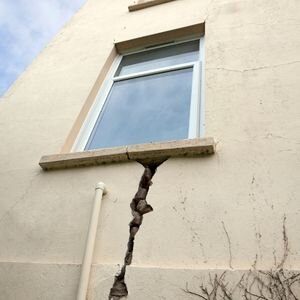
Listing on the MLS and hoping for the best is the approach most sellers start with. It works for move-in-ready homes. For a structurally troubled property, the result is usually a long DOM, repeated price drops, and buyers who back out after inspection once they’ve tied up your property for 3 weeks.
Retail buyers shopping MLS listings in neighborhoods like Frisco, McKinney, or Richardson are largely financed buyers who need a property their lender will approve. A home with a flagged foundation issue gets bypassed at the prequalification stage, or the sale collapses at appraisal. That’s not bad luck; it’s how the system is designed.
Your actual buyer for a structurally troubled home is one of three things: an investor who rehabs properties, a cash buyer who is comfortable taking on the repairs, or a hybrid buyer using a renovation loan. If your property is in North Texas, working with cash home buyers in Plano, TX can provide a faster alternative to listing on the MLS, especially when structural repairs are involved. The same goes if you are closer to Fort Worth, where cash home buyers in Fort Worth, TX can move on a similar timeline. You can best reach the first two categories through direct outreach rather than MLS listings. Real estate wholesalers, investor networks, and companies that specifically buy homes in any condition are your most efficient path to closing, faster than any traditional buyer you’d find on the open market.
Henry Nguyen contacted me on a Thursday after his father had just moved into assisted living in a facility near Carrollton. The house, a 1980s single-story in Little Elm with a pier-and-beam foundation and an old riding mower still in the garage, had been sitting empty. Henry didn’t want to manage repairs from across town, and the thought of coordinating contractors while handling his father’s care was too much to take on. We bought the property without needing any repairs or showings, and Henry had cash ready before his father’s first month of facility fees came due (those bills arrive fast).
If you’ve got a house with foundation problems and you’re trying to figure out your next step, we’re here to talk through it. No pressure, no obligation. Reach out to House Buying Heros and tell us what you’ve got. We’ve seen it before, and we can help you figure out what makes sense for your situation.
Frequently Asked Questions
How Hard Is It to Sell a House with Foundation Issues?
It depends on what path you choose. Selling on the retail market with a financed buyer is genuinely difficult because lenders often won’t approve loans on homes with active structural issues. Selling directly to a cash buyer or investor is a much smoother process, typically closing in weeks rather than months, as long as you price the property honestly to reflect its condition.
Do You Have to Disclose Foundation Issues in Texas?
Yes. Texas law requires you to complete the Seller’s Disclosure Notice, which directly asks about known structural defects, including foundation problems. Failing to disclose known issues opens you up to fraud and misrepresentation claims after closing. Even in an as-is sale, disclosure is mandatory.
How Much Does It Cost to Fix a House Foundation in Texas?
Most moderate repairs run between $3,300 and $7,000, which tracks closely with the 2025 national average of around $5,100. Major work involving multiple piers or full-house leveling commonly reaches $15,000 to $30,000. The actual number for your home depends on the type of foundation, the number of piers needed, local soil conditions, and whether any plumbing under the slab was damaged during the process.
How Much Less Should You Offer for a House with Foundation Issues?
Buyers typically negotiate a discount equal to the estimated repair cost plus a buffer for unknowns. That buffer usually runs between 10 and 20 percent above the repair quote, since repair costs often rise once walls are opened. If you’re a seller, price with that reality in mind from the start rather than waiting for buyers to grind you down during negotiations.
Helpful Texas Blog Articles
- How Long a Seller Can Stay After Closing in Texas
- Documents Needed to Sell a House in Texas
- How to Sell a Condemned House in Texas
- How To Sell Your House Before Foreclosure In Texas
- How to Sell Your House During a Divorce in Texas
- Texas Inherited House Sale Guide
- Can You Sell A House Without A Deed In Texas
- Eviction Process in Texas
- How to Sell a Hoarder House in Texas
- Can an HOA Take Your House in Texas
- How To Sell a House With Foundation Issues in Texas
- How Much Does It Cost to Sell a House in Texas
- Relocating and Need to Sell House Fast in Texas