
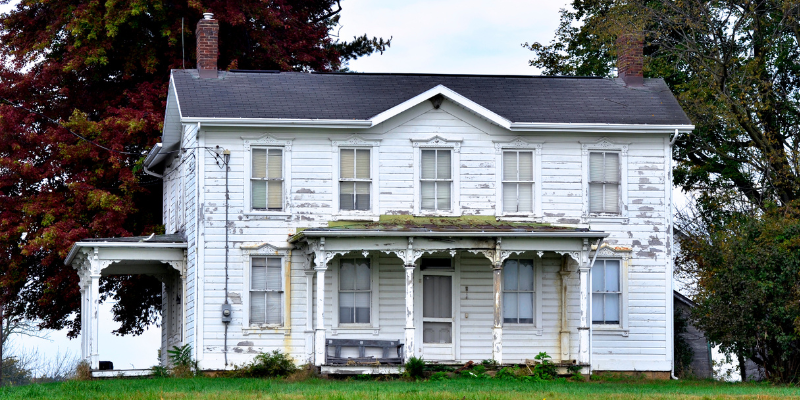
Guide to Selling a Condemned Property in Texas
Being in a situation where your house is condemned is a tough spot to be in, and the first question that probably comes to mind is whether you can even sell it at all. The answer is yes, but the path from condemnation notice to closing isn’t precisely straightforward.
You will need to understand what went wrong and what your legal options are. You also need to know who’s actually interested in buying a property that comes with this kind of baggage. Here’s a walk-through of the whole thing so you know exactly what you’re up against and how to handle it.
House Buying Heros provides fair, no-obligation cash offers for condemned properties, helping homeowners navigate legal hurdles and sell quickly without repairs or complications.
What Does It Mean When a House Is Condemned?
When a house gets condemned, local authorities have officially declared it unsafe for people to live in. You still own the property, and you can still sell it, but nobody’s allowed to occupy it until specific problems get fixed.
The city or county sends you a formal notice that spells out precisely what’s wrong and what needs to happen.
The notice may seem intimidating when you first read it, but it’s essentially a record of violations that require attention. Some condemned houses have issues that can be addressed through repairs, while others are in such poor condition that tearing them down becomes the more sensible option.
The main thing to understand is that condemned doesn’t equal demolished, and it definitely doesn’t mean you’re out of options. You’ve got time to figure out your next move, and selling is really on the table.
What are the Grounds for Condemnation in Texas

Texas cities and counties can condemn properties for several reasons, but all of these reasons ultimately connect back to the goal of keeping people safe and healthy. You need to know which category your house falls into to help you understand what you’re dealing with and how to approach selling it.
Structural Damage and Safety Hazards
This is probably the most common reason houses get condemned in Texas. We’re talking about foundations that are actively crumbling, walls that are collapsing or tilting at dangerous angles, and roofs that are caving in or missing large sections.
Fire damage is a significant trigger, too, especially when it compromises the structural supports that hold the entire building together. Inspectors pay close attention to details such as floor joists that have rotted through, support beams that are cracked or failing, and staircases that wobble or have missing steps.
Even severe termite damage can lead to condemnation if it’s eaten through enough of the structure to make the building unstable. Basically, if there’s a real chance someone could get seriously hurt just by walking through the house, that’s enough for the city to shut it down.
Code Violations and Lack of Essential Services
Texas considers electricity, running water, and a functional sewage system to be non-negotiable essentials for any house someone might live in. If your property lacks these basics, it can be condemned relatively quickly.
But it’s not just about missing services. Major code violations accumulate and cause problems as well. These are outdated electrical wiring that creates fire risks, gas leaks that haven’t been fixed, and heating systems that don’t work in parts of Texas where winter temperatures actually drop, all of which are red flags.
Sometimes it’s one massive issue that triggers the condemnation. However, more often, it’s a series of minor violations that, when combined, cross the line into unsafe territory.
Health and Sanitation Issues
This category encompasses situations where the house poses a health hazard. Think of black mold spreading across entire walls and ceilings, pest infestations that are entirely out of control, or garbage and waste that’s piled up to the point where it creates dangerous conditions.
Hoarding situations frequently end in condemnation, especially when accumulated items block emergency exits, create fire hazards, or attract rodents and insects.
Houses with sewage backing up into the living space or septic systems that have failed and are leaking raw sewage into the yard also qualify. The common thread is that these conditions make people sick or put their health at serious risk.
Environmental Contamination
Environmental hazards are taken seriously in Texas, and they can result in a house being condemned quickly. Some samples are:
- lead paint that’s deteriorating and creating dust throughout the house
- asbestos that’s damaged and releasing fibers into the air
- chemical contamination from things like methamphetamine production all fall into this bucket
These aren’t problems you can just ignore or work around. They require specialized cleanup and remediation.
If inspectors find contamination that poses an immediate threat to anyone who enters the property, they will not wait to see if you rectify the issue. They’ll issue that condemnation order to protect public health right away.
The Legal Process of Condemnation in Texas

If you understand how condemnation actually occurs, you can determine your position and what comes next. Here’s a look at how condemnation works in Texas:
Initial Inspection and Notice of Violation
The process usually begins with an inspection. This is set in motion when a neighbor complains, the city conducts routine checks in your area, or you call them yourself about something, and they spot other issues while they are there.
The inspector walks through and documents everything wrong. Then, you get a notice of violation in the mail.
This first notice isn’t the condemnation yet; it’s more like a warning. It lists all the problems they found and provides a deadline to address them. This typically ranges from 30 to 90 days, depending on the severity of the situation.
Many people overlook this, thinking it’ll go away. This is the worst move because this is your best window to act before things get more serious.
The Condemnation Order
The official condemnation order is issued if you fail to address the problems by the deadline or if no changes have been made upon the inspector’s return. This one’s legally binding, and it means nobody can live in or occupy the property anymore.
The order gets posted on your front door, filed with the county, and becomes public record.
It clearly outlines why the property is condemned and what must be done to lift the order. Once it’s in place, you can’t just move back in. Utilities might get shut off, and anyone who tries to occupy the house could face fines or worse.
Your Right to Appeal
You can actually appeal a condemnation order in Texas. You’ve usually got about 10 to 30 days from when you get the order to file an appeal with your local court. The appeal allows you to argue that the condemnation was incorrect. You can also say that the violations aren’t as serious as they claim, or you’ve already started repairs and just need more time.
Appeals don’t always work, but they can buy you time and sometimes get you a less harsh ruling. You’ll likely want a lawyer for this, as it involves presenting evidence and making legal arguments.
Timelines and Deadlines for Condemned Properties
Texas cities won’t let condemned properties just sit there forever. Most give you somewhere between 90 days and a year to either fix the issues or take action with the property. If you do nothing, the city can demolish the house itself and hold you liable for the demolition costs.
Some cities move faster than others on enforcement. Your timeline largely depends on your location. The clock starts from the date of the condemnation order, so you need to move quickly once you decide what to do.
Can You Legally Sell a Condemned House in Texas?
Yes, you can sell a condemned house in Texas. There’s no law saying you have to fix everything before selling. You also don’t need special permission from the city to list it. The condemnation order remains with the property, not with you, so whoever buys it assumes the same issues and requirements.
The catch is you have to be completely upfront about the condemnation. You are required to disclose material defects under Texas law, and a condemnation order certainly qualifies.
You need to provide the buyer with a copy of the condemnation notice and all related paperwork so they are aware of precisely what they’re purchasing. Trying to hide or downplay it can lead to trouble later.
Most buyers interested in condemned properties already know what they’re looking for anyway. They’re usually investors or developers who specialize in distressed stuff and totally understand the risks.
Contact us today to receive a straightforward, no-obligation offer. We purchase condemned houses in Texas as-is, handle the complications for you, and make the process simple, transparent, and stress-free.
How to Sell a Condemned House in Texas

Now that you know what you’re dealing with, let’s discuss how actually to sell this house.
Step 1: Review Your Condemnation Notice and Understand Your Rights
That condemnation notice tells you precisely what the city wants and how much time you’ve got to deal with it. Read through the whole thing to determine the actual deadline. Some towns are aggressive about moving to the next phase, while others are pretty relaxed about enforcement.
The notice also informs you if you have any wiggle room to appeal or negotiate, which some property owners may not even realize is an option. If the legal language is confusing or you’re unsure about your rights in this situation, consult an attorney who specializes in real estate law in Texas.
They can advise you on whether fighting the condemnation makes sense or if selling quickly is your best option.
Step 2: Get a Professional Property Inspection
The city already inspected your house and found it lacking, so why would you pay someone else to do it again? Because the city’s inspection was about violations and safety hazards. It’s not about providing a comprehensive breakdown of every issue and its associated costs.
You need that information so you can price the property correctly. You also need it to communicate effectively with buyers who will likely ask questions about what’s wrong and how much the repairs would cost.
An independent inspection gives you leverage in negotiations. It shows potential buyers you’re not hiding anything, which matters when you’re selling a property that already has a stigma attached to it.
Step 3: Gather All Necessary Documentation
You need to organize your paperwork before speaking with buyers, so that everything proceeds more efficiently and demonstrates your seriousness about selling.
You don’t want to be the person scrambling to find documents three weeks into negotiations because a buyer’s attorney has requested something.
Title and Ownership Documents
Gather your deed, title insurance (if applicable), and mortgage documents (if a loan is still outstanding on the property). Buyers need proof that you own the property free and clear of any ownership disputes.
Condemnation Orders and Violation Notices
Make copies of every notice the city sent you, including the first violation warning, the official condemnation order, and any follow-up letters about timelines or required repairs. Buyers want the complete paperwork so they can see exactly what the city’s position is.
Previous Inspection Reports and Repair Estimates
If you got contractor quotes for repairs before deciding to sell, include those. They help buyers calculate their own costs and show that you’ve been transparent about the property’s condition.
Step 4: Decide Whether to Repair and Remediate or Sell As-Is
Some people assume they have to fix everything before selling, but that’s not necessarily true. Many buyers specifically seek condemned properties that they can renovate themselves. However, first, let’s examine your options.
Calculating the Cost of Repairs
Obtain the contractor estimates and inspection reports, and calculate the actual cost of bringing the property up to code. Don’t just look at the violations the city cited; also consider the context. Consider everything that needs improvement to make the house both livable and sellable to a typical buyer.
Foundation repairs can range from $10,000 to $50,000, depending on the extent of the damage. New roofs typically cost $8,000 to $20,000 for most homes in Texas, and electrical system overhauls can exceed $15,000. If you’re dealing with mold remediation or asbestos removal, add $5,000 to $30,000.
These numbers can balloon, and that’s before you even think about cosmetic updates that would help the house compete on the market once it’s habitable again.
When Repairs Make Financial Sense
Repairs only make sense if you’ll actually come out ahead after you factor in the time and stress involved.
Let’s say your house would sell for $200,000 if it were in good condition, and the total cost of repairs would be $40,000. If you can sell it as-is for $120,000 right now, you’d net about the same either way once you account for holding costs, contractor headaches, and the months it’ll take to get everything done.
But if the as-is offers are coming in around $80,000 and you’ve got the cash to fund repairs without taking out loans, fixing it up might actually put more money in your pocket. You have to be honest about what the repaired house will actually sell for in your neighborhood, not what you hope it’ll sell for.
When Selling As-Is Is the Better Option
Most of the time, selling as-is makes more sense for condemned properties. Selling to an investor who’ll buy it in its current condition is your move for the following situations:
- You don’t have the cash to fund repairs upfront
- The repair costs are so massive that you’d barely break even
- You just want this whole situation behind you quickly
You’ll receive less money than if the house were in good condition, but you’re trading that lower price for speed and hassle-free transactions. Working with cash home buyers in Texas means you won’t deal with contractors who show up late or go over budget. There are also no months of managing a renovation project or risk that you sink $50,000 into repairs only for the market to shift before you can sell.
For many people dealing with condemned properties, that trade-off is worth it.
Step 5: Determine Your Property’s Market Value
Pricing a condemned house is nothing like pricing a regular home because your usual neighborhood comps don’t apply here. You need to get what the house would sell for in good condition, then subtract all repair costs plus another 20-30% for the investor’s profit margin and risk.
If similar fixed-up houses sell for $180,000 and repairs would cost $50,000, you’re realistically looking at somewhere around $95,000 to $110,000. That might sting, but buyers are taking on all the headaches of dealing with the city and managing repairs. They need enough room to make it worthwhile.
Your best move is to speak with a few local investors who purchase condemned properties and determine what they’d actually pay. Those offers tell you what the market thinks your property is worth at the current time.
Step 6: Choose Your Selling Strategy
Once you know what your property is worth and have decided whether to fix it up or sell it as-is, you need to figure out how actually to find a buyer. A common question sellers ask at this stage is, Does a Seller Pay Closing Costs in Texas? Understanding this can help you compare your options and decide which selling route makes the most financial sense. You have a few options:
Selling Through a Real Estate Agent
Working with an agent can be beneficial, but you need someone who actually knows how to handle distressed properties. Most agents are accustomed to selling move-in-ready homes and have little to no experience marketing or finding buyers for condemned houses.
Look for agents who specialize in investor sales or have experience with foreclosures and fixer-uppers. They’ll know how to write listings that attract the right people, and they likely already have investor contacts.
You must pay a commission of 5% to 6%, and the process can still take several months to complete. However, if you prefer someone else to manage showings and paperwork, it might be worth it.
Selling Directly to Buyers
Cutting out the agent saves you the commission and usually speeds up the process. You can list on Craigslist, Facebook Marketplace, or investor platforms where people hunt for distressed properties. You can also just Google “we buy houses” plus your city and reach out to local investment companies directly.
The downside is you’re handling everything yourself, including calls, showings, negotiations, and more. If you’re comfortable with that, you’ll put more money in your pocket and probably close faster.
Step 7: Market Your Property
Marketing a condemned house differs from marketing a regular home because you’re targeting investors and flippers, rather than families seeking their dream home. You no longer need the staged photos and curb appeal stuff. Investors don’t care, and they’ll see through it anyway.
What they want is straightforward information about the property’s condition, including why it was condemned and what repairs are necessary. A company that buys houses in Garland and other cities in Texas will appreciate this kind of upfront information, as it helps them quickly evaluate the deal.
That said, your listing should be honest and direct. Mention the condemnation upfront and list the square footage and lot size. Be very clear about the problems. Include photos that show the issues, not just flattering angles. This honesty actually attracts serious buyers who appreciate not wasting time.
Moreover, you should list on investor-focused sites, post in local real estate investment group pages, and stick a simple “For Sale – As Is” sign in the yard. Investors drive around looking for deals all the time, so that sign might get you a call faster than you’d think.
Step 8: Complete the Legal Requirements When Selling
Again, you need to be completely upfront about everything, and that’s the law. You must provide copies of the condemnation order, all violation notices, and any inspection reports as part of your seller’s disclosure.
Texas is also very serious about disclosure requirements. If you hide or downplay the condemnation, you can get sued later. Most investors expect complete transparency, as they frequently deal with distressed properties; being straightforward with them actually makes things smoother.
If there are liens on the property due to unpaid taxes or city fines, these must be resolved before closing. Sometimes, buyers will assume certain liens as part of the deal; however, this must be clearly negotiated up front.
Step 9: Close the Sale
You’ve got a buyer, and you’ve agreed on a price. Now, you just need to reach the finish line. The closing process is quite similar to any regular sale, with a few differences due to the nature of the sale itself.
Timeline for Selling a Condemned House in Texas
Cash buyers can close in 7 to 10 days because there’s no bank involved and no appraisal needed. If your buyer needs financing, you’re looking at a minimum of 30 to 45 days, though most lenders won’t touch condemned properties anyway. That’s why cash sales are better. They’re fast, and there’s way less that can go wrong.
Closing Costs and Fees
You’re still on the hook for the usual closing costs (title fees, escrow fees, recording fees), which typically run 1% to 3% of the sale price. Texas buyers usually pay for title insurance, but you’ll cover your own attorney if you hire one.
Any outstanding property taxes or liens get deducted from your proceeds at closing. Some investors might ask you to cover part of their closing costs, too, especially if they’re already buying at a discount.
Final Steps Before Transferring Ownership
Before closing day, clear out any personal items from the house unless the buyer has indicated they will take them. Ensure that utilities are documented and canceled after the sale is complete. At closing, the property and all its problems become someone else’s responsibility once you sign the deed. Keep copies of everything for your records, and you’re done.
Tax Implications of Selling a Condemned Property
Selling a condemned house can trigger some tax consequences, but most people don’t end up owing much, if anything.
If you sell at a loss, you generally can’t deduct it on your personal taxes unless the property was an investment or rental. If you sell for more than your cost basis (which is rare with condemned properties), you might owe capital gains tax.
However, there’s an exclusion of up to $250,000 for singles or $500,000 for married couples if it was your primary residence and you lived there for two of the last five years.
Tax situations can be stressful, depending on whether you own a home, a rental property, or an investment property. We strongly advise consulting a tax professional before closing. They can inform you of the actual amount you’ll owe and whether any applicable deductions apply to your situation.
Key Takeaways: How to Sell a Condemned House in Texas
A condemned house isn’t the dead end it feels like when you first get that notice. You’ve still got control. You own the property, you can sell it, and there are buyers out there actively looking for exactly what you’ve got. You just need to be strategic instead of panicking. Get clear on what the city actually wants, then determine whether repairs make sense or if keeping the property as-is is a smarter option.
If you’d rather just get a fair offer and be done with it, House Buying Herosbuys condemned properties all over Texas. We close in as little as a week, and you don’t fix anything. Call us at (855) 563-4376 and let’s discuss how to get you out of this situation.
Helpful Texas Blog Articles
- How Long a Seller Can Stay After Closing in Texas
- Texas Inherited Property With Your Sibling
- Easiest Way to Move Houses in Texas
- Selling Shares of Your Home in Texas
- Can You Sell a House With Asbestos in Texas
- Documents Needed to Sell a House in Texas
- Understanding Divorce Home Appraisal in Texas
- How to Sell a Condemned House in Texas
- Does a Seller Pay Closing Costs in Texas?
- Selling Shares of Your Home in Texas